1. Wi-Fi® jest zarejestrowanym znakiem towarowym będącym własnością organizacji Wi-Fi Alliance®.
2. Wi-Fi® is a registered trademark of Wi-Fi Alliance®.
Moisture Analyzers
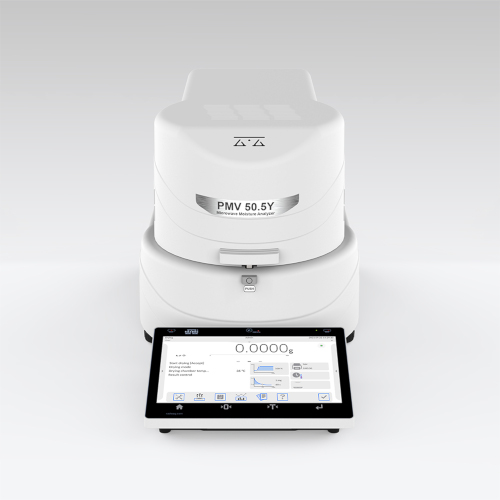
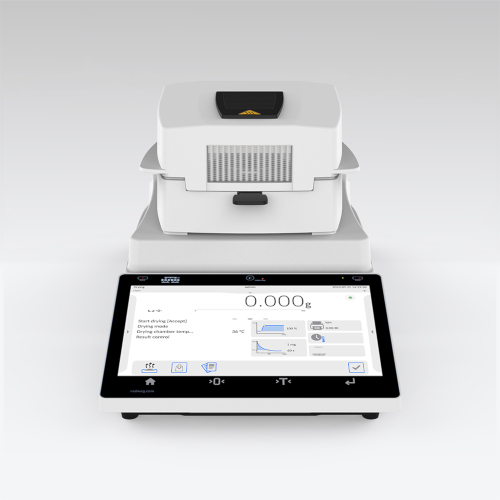
Moisture analyzers from RADWAG are laboratory instruments that combine a precise balance with a drying unit. They determine the moisture content and dry mass of a sample using the thermogravimetric method – quickly, repeatably and directly at the workstation. The range includes six series with a maximum capacity of 50 g to 210 g and a readability of 0.1 mg to 1 mg: MA R, MA 5Y, MA 5Y.IC, MA X7.A, MA X7.IC.A and the PMV 5Y microwave moisture analyzer. Moisture analyzers are part of the RADWAG laboratory balances range and are designed and manufactured in Poland.
Which moisture analyzer is right for your laboratory? MA X7.A, PMV 5Y, MA 5Y and MA R in 30 seconds.
What is a moisture analyzer and how does it work?
A moisture analyzer weighs the sample before drying, then heats it with a heating element and continuously records the mass loss caused by the evaporation of water and other volatile substances. Once the end criterion is met, the instrument calculates the result from the difference between the initial and final mass. Unlike standard analytical balances and precision balances, a moisture analyzer replaces the time-consuming drying oven method: instead of several hours, a measurement usually takes just a few minutes.
The result can be displayed in several units:
%M – moisture content (mass loss),
%D – dry mass as a percentage,
%R – moisture ratio (moisture relative to dry mass),
drying time of 1 to 10 minutes, for samples with moisture content up to 100%, 10" touchscreen
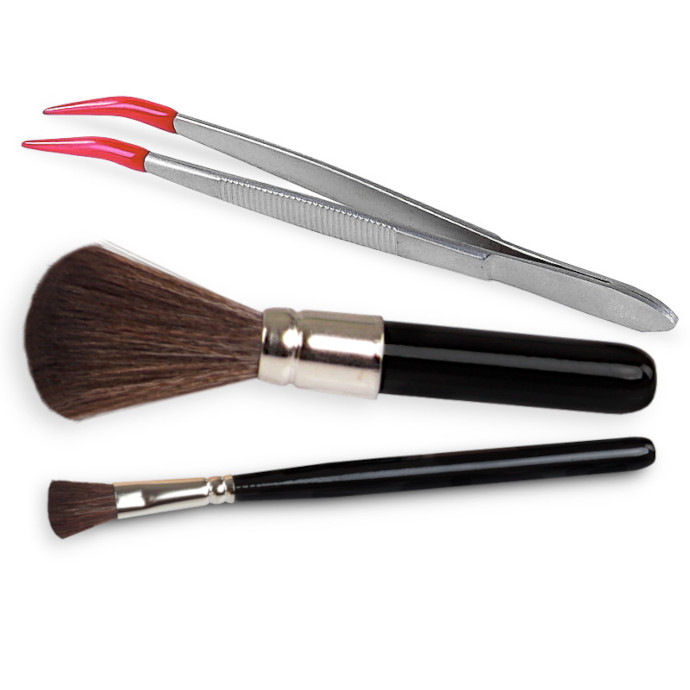
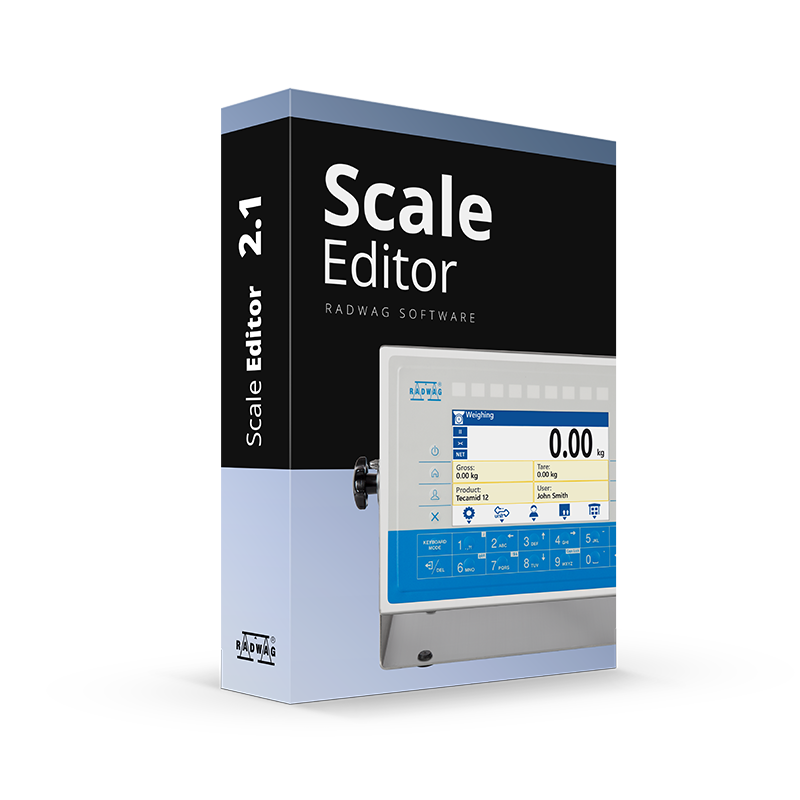
Sample pans, glass fibre filters, adjustment kits and other accessories can be found in Moisture analyzer accessories.
What heating element does a moisture analyzer have?
MA R, MA 5Y and MA X7 moisture analyzers are available with one of three heating elements:
Infrared (IR) emitter – even, gentle heating, suitable for most samples.
Halogen emitter – reaches the drying temperature very quickly, resulting in shorter measurement times.
Metal heater – robust design without glass elements, suitable for areas where the risk of broken glass must be eliminated, e.g. in food production.
The PMV 5Y moisture analyzer uses microwave radiation instead, which heats the water directly inside the sample. This makes it especially suitable for very moist samples such as dairy products, meat, fish, fruit products, syrups, creams or liquid resins, which would take 5 to 40 minutes to dry in halogen or IR moisture analyzers.
How many drying profiles does a moisture analyzer have?
RADWAG moisture analyzers offer four drying profiles: standard, mild, fast and step.
Standard profile – the most commonly used drying profile. It allows the most accurate determination of moisture content.
Mild profile – for substances sensitive to the sudden heat of the emitters, which operate at full power at the beginning of the process. An example of such a substance is leather.
Fast profile – for samples with high moisture content, up to several dozen percent. The temperature is briefly raised above the set value to speed up drying.
Step profile – ideal for substances containing more than 15% moisture. You can define three temperature steps. The temperature values and heating times are determined experimentally.
When does drying end? End criteria
You define the end of the measurement with one of four criteria:
automatic – drying ends when the mass loss within a set time falls below a limit value,
time-controlled – drying lasts for a set time,
user-defined – your own combination of mass loss and time,
manual – the operator ends the measurement.
What drying temperature should be set?
The drying temperature determines the duration of the process. Its value depends on the type of material. Too low a temperature results in incomplete drying and an unnecessarily long measurement, while too high a temperature can burn or decompose the material. The drying temperature for the traditional (oven) method is specified by industry or company standards. If no standards are available, the temperature is determined experimentally.
The maximum drying temperature of the MA R and MA 5Y.IC moisture analyzers is 160 °C. For the MA X7 series, versions with a drying temperature of up to 250 °C are available as an option, e.g. for plastics and samples with components that are difficult to evaporate.
Applications of moisture analyzers
food industry – moisture and dry mass of flour, grain, milk powder, cheese, meat, sugar, spices and confectionery,
pharmaceuticals and chemicals – loss on drying (LOD) of active substances, granulates, powders and excipients,
plastics processing – residual moisture of granulates before processing,
agriculture and feed – moisture of seeds, feed, tobacco and biomass,
construction and raw materials – moisture of sand, cement, clay, wood chips and sewage sludge,
cosmetics, paints and coatings – dry mass of creams, dispersions, adhesives and resins,
leather industry – moisture determination and, optionally, water vapour permeability with the permeability test kit.
How to choose the right moisture analyzer?
Readability and sample mass – for small samples and low moisture content, choose models with 0.1 mg readability (e.g. MA 50/1 or MA 200/1); for larger, inhomogeneous samples, choose models with 110 g or 210 g capacity.
Heating source – IR or halogen for universal applications, a metal heater, microwave (PMV 5Y) for very moist samples and the shortest measurement times.
Adjustment – models with internal adjustment (MA 5Y.IC, MA X7.IC.A) ensure measurement accuracy without external weights. A temperature adjustment kit is available as an accessory for checking the drying chamber temperature.
Operation and ergonomics – the automatically opening chamber and proximity sensors (MA X7) speed up series measurements and reduce the risk of contaminating the instrument.
Compliance – for GLP and GMP laboratories, check user management, GLP reports, ALIBI memory and compliance with 21 CFR Part 11 / EU GMP Annex 11 (MA 5Y, MA 5Y.IC, optional for MA X7).
Data transfer – USB, RS 232, Ethernet and Wi-Fi® allow results to be exported to printers, PC software and LIMS or ERP systems.
FAQ – moisture analyzers
How accurate is a moisture analyzer?
RADWAG moisture analyzers display moisture content with a readability of up to 0.0001%. Repeatability is typically ±0.05% for a sample of approx. 2 g and ±0.01% for a sample of approx. 10 g. Actual accuracy depends on the sample, its preparation and the selected drying parameters.
How long does moisture determination take?
With halogen or IR moisture analyzers, a measurement usually takes 5 to 40 minutes; with the PMV 5Y microwave moisture analyzer, 1 to 10 minutes. The classic drying oven method often takes several hours.
What is the difference between a moisture analyzer and a drying oven?
With a drying oven, the sample is weighed separately on an analytical balance before and after drying, which takes several hours. A moisture analyzer weighs and dries the sample in one instrument, continuously records the mass loss and delivers the result within minutes. The parameters can be set so that the results match the reference method.
What drying temperature can a moisture analyzer reach?
The MA R and MA 5Y.IC moisture analyzers dry at up to 160 °C. For the MA X7 series, versions up to 250 °C are available as an option.
Which moisture analyzer should I choose for very moist samples?
For samples with high moisture content, such as dairy products, meat, syrups or creams, we recommend the PMV 5Y microwave moisture analyzer, which dries samples with up to 100% moisture in 1 to 10 minutes. With halogen and IR moisture analyzers, the fast or step profile is suitable for such samples.
Are RADWAG moisture analyzers suitable for regulated laboratories?
Yes. The MA 5Y and MA 5Y.IC moisture analyzers meet the requirements of 21 CFR Part 11 and EU GMP Annex 11, and a corresponding module is optionally available for the MA X7 series. User management, GLP reports and ALIBI memory support work in GLP and GMP laboratories.
Not sure which moisture analyzer suits your application? Contact our specialists – we will help you select the instrument, define the drying parameters and with calibration.
Wondering which product to purchase?
Need an assistant who will help you select the most optimal solution?
Contact our expert now.









 AS X7 Analytical Balances
 Moisture Analyzers
 PGC Scales
 Checkweighers
 HRP High Resolution Scales
 Hazardous Area Endangered with Gas Explosion
 Hazardous Area Endangered with Gas and Dust Explosion
 H315 H Waterproof Platform Scales



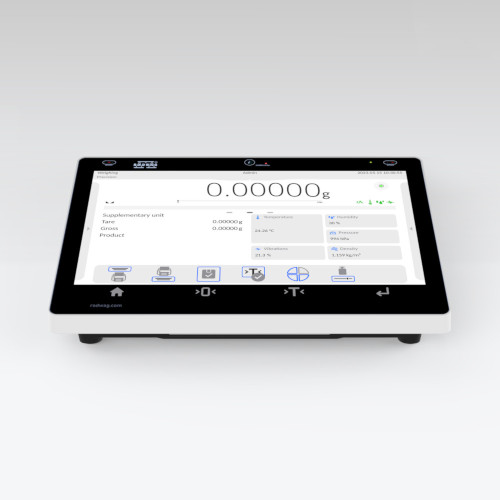 5Y Terminal
 PUE CY10 Weighing Terminal
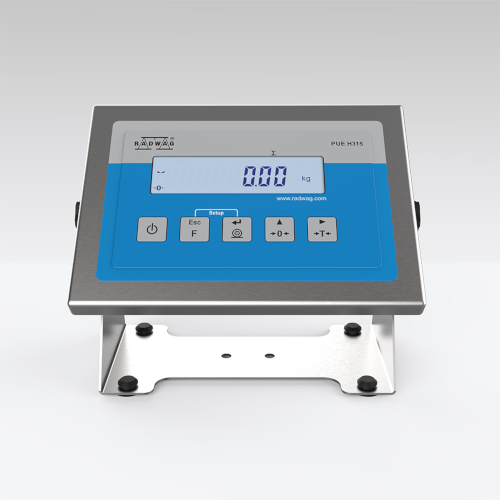 PUE H315 Weighing Terminal
 PUE C315 Weighing Terminal
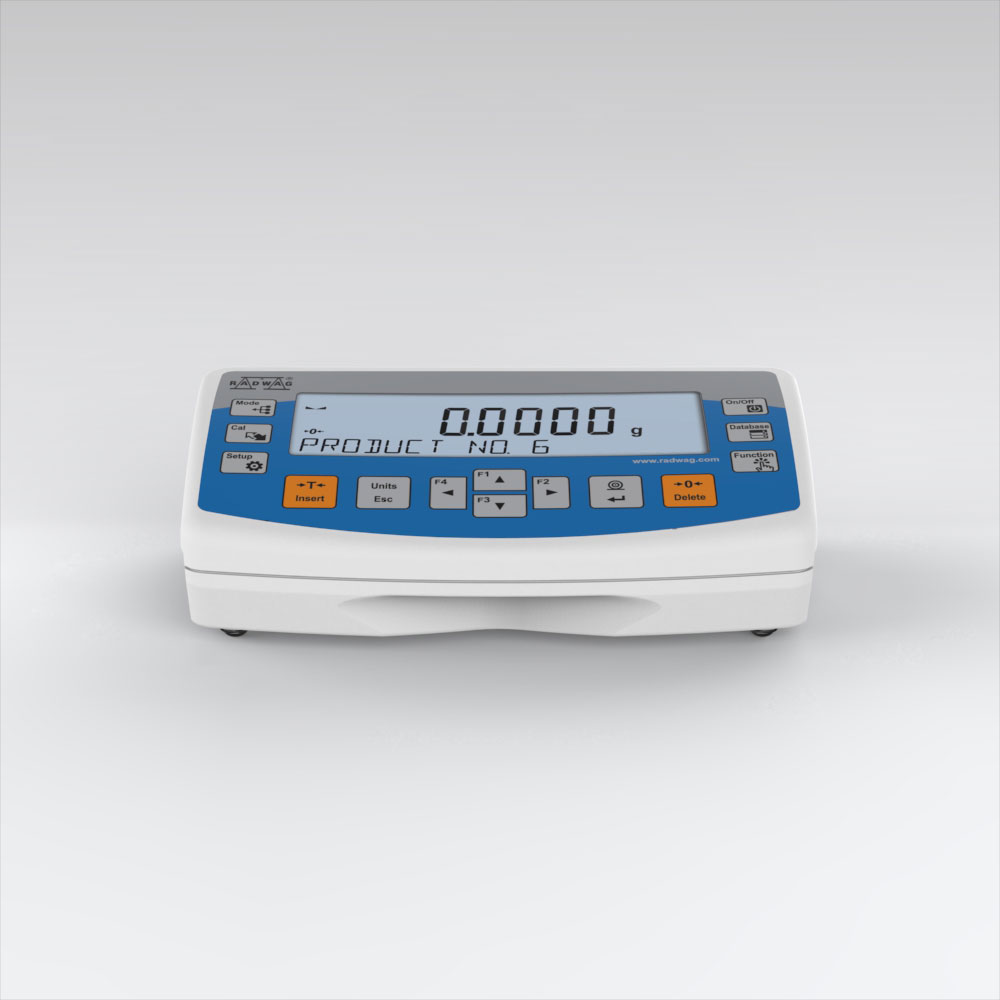 R Terminal (WDM-8)


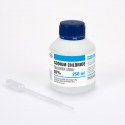
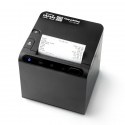
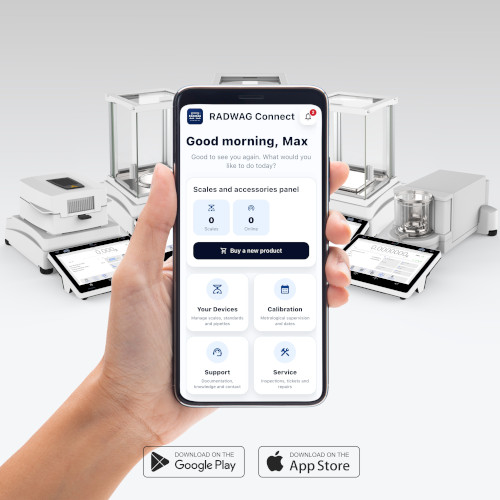









 Moisture analyzer accessories


 Albanian
 Danish
 Nederlandse
 Estonian
 Finnish
 Hungarian
 Icelandic
 Kazakh
 Latvian
 Lithuanian
 Macedonian
 Norwegian
 Portuguese
 Romanian
 Russian
 Slovak
 Slovenian
 Swedish
 Ukrainian
 Serbian
 Montenegrin
 Português (Brasil)
 Deutsch
 Español
 Français
 Italiano
 Japanese (日本語)
 Polski
 Türkiye
 Česky
 中文


