1. Wi-Fi® jest zarejestrowanym znakiem towarowym będącym własnością organizacji Wi-Fi Alliance®.
2. Wi-Fi® is a registered trademark of Wi-Fi Alliance®.
Industrial Scales
Industrial scales from RADWAG are robust weighing solutions for production halls, warehouses, logistics centres and quality control departments. The range includes platform scales, floor scales with 4 load cells, pallet and beam scales, overhead track scales and high resolution scales with a maximum capacity from 0.6 kg up to 6000 kg. Every scale is designed and manufactured in Poland and can be configured with the right weighing terminal, platform size, material and accessories to match your process.
Types of industrial scales
| Scale type | Max capacity | Readability [d] | Typical applications |
|---|
| Platform scales | 0.6 kg – 300 kg | 0.2 g – 100 g | bench weighing, piece counting, packing stations |
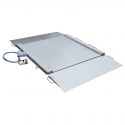
| 4 load cell floor scales | 1.5 kg – 6000 kg | 0.02 kg – 2 kg | heavy goods, drums, containers and pallets weighed at floor level |
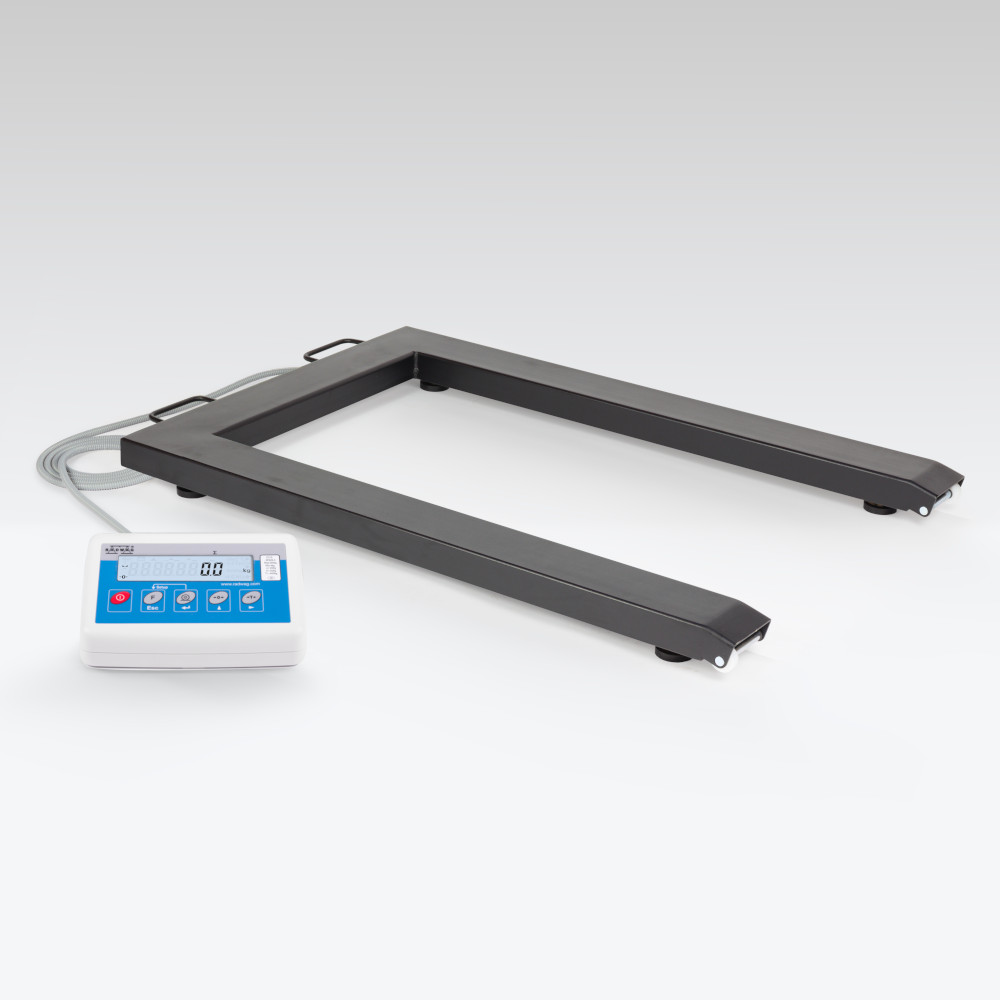
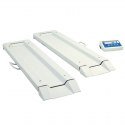
| Pallet and beam scales | 600 kg – 6000 kg | 200 g – 2 kg | weighing pallets directly on a pallet truck, shipping and receiving |
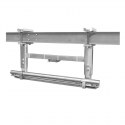
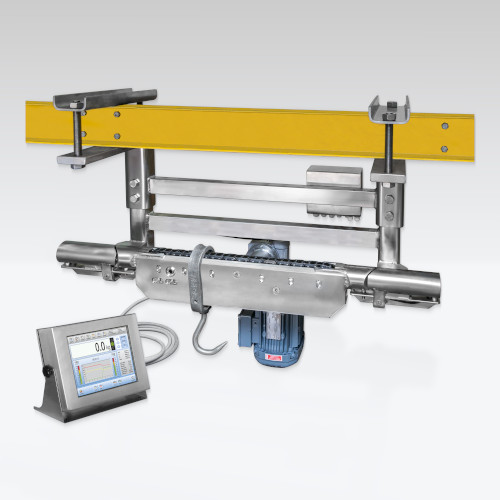
| Overhead track scales | 300 kg – 600 kg | 0.1 kg – 0.2 kg | carcass weighing in slaughterhouses and meat processing plants |
| HRP high resolution scales | 10 kg – 2000 kg | 0.02 g – 200 g | accurate weighing of large loads in formulation and quality control |
| Postal scales | 60 kg | 20 g | parcel weighing in shipping and e-commerce |
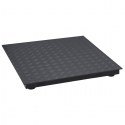
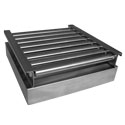
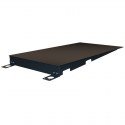
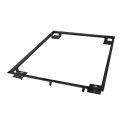
To build your own weighing station or integrate weighing into machines and production lines, choose separate weighing platforms, weighing terminals and weighing modules. Ramps, roller tables, frames for embedded scales, printers and other components are available in industrial scales accessories.
Industrial scales for your industry
How to choose an industrial scale?
- Maximum capacity [Max] – add the mass of packaging, containers or pallets to your heaviest load and keep a safety margin. A scale that constantly works close to its limit wears faster.
- Readability [d] and minimum load – readability is the smallest change in mass the scale displays. If you weigh light items on a high capacity scale, the result may not be accurate enough, so consider a lower capacity or a high resolution HRP scale.
- Platform size and construction – the platform should be larger than the weighed object. Painted steel works well in dry areas, while stainless steel is the right choice for food, chemical and wet environments. Pit versions and ramps make it easy to drive on with a pallet truck.
- Ingress protection (IP) – defines resistance to dust and water. For areas cleaned with water, choose scales with a high IP rating.
- Legal for trade verification – required when the weighing result determines a price or fee, for example when selling goods by weight, invoicing freight or checking pre-packaged goods.
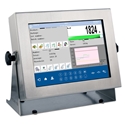
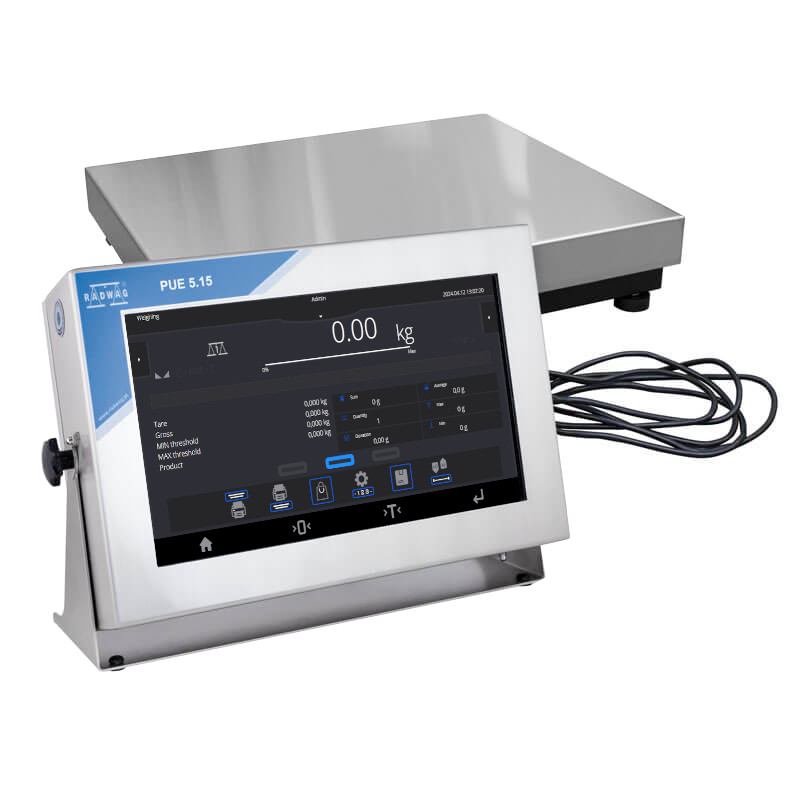
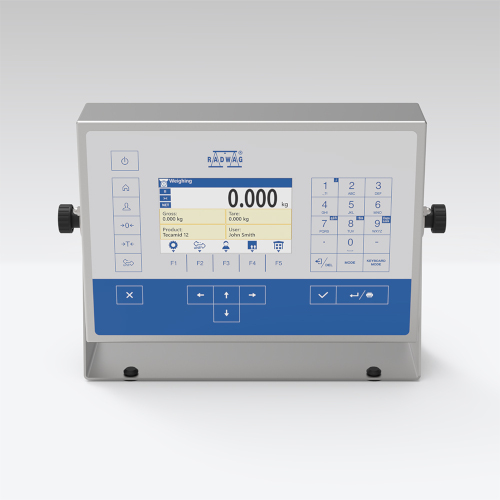
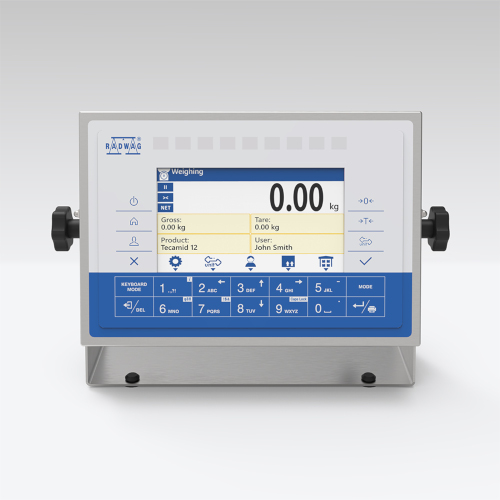
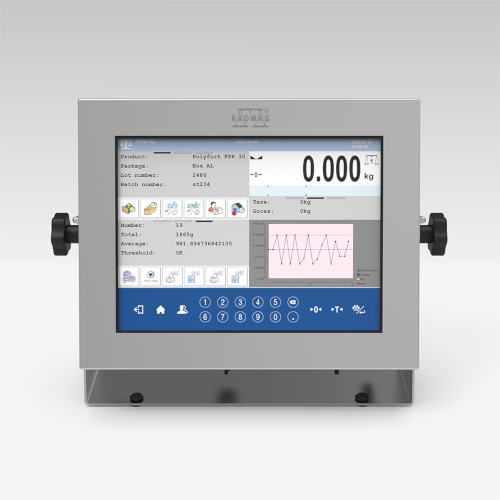
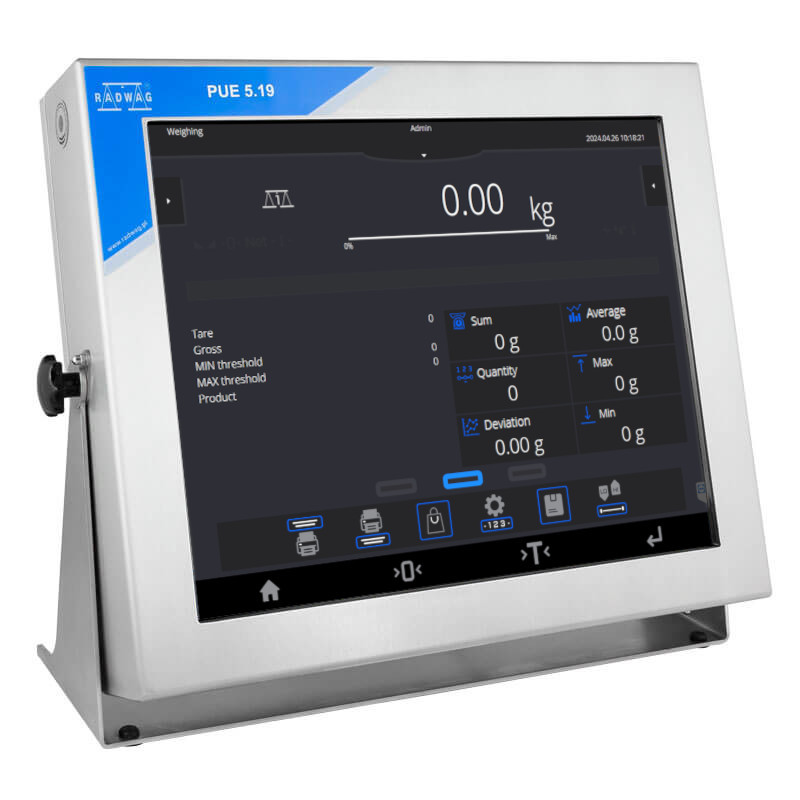
- Weighing terminal functions – counting, checkweighing, percent weighing, formulations, dosing, statistics and product and operator databases. Compare available PUE weighing terminals.
- Communication and integration – depending on the terminal: RS232, USB, Ethernet or Wi-Fi®, connection of label printers and barcode scanners and data exchange with RADWAG weighing software, for example the E2R System.
- Hazardous areas – where flammable gases or dust may occur, use only scales certified for the given Ex zone.
Why choose RADWAG industrial scales?
- platforms, terminals and software from one manufacturer, designed and produced in Poland,
- wide configuration options: capacity, platform size, material, terminal and interfaces,
- verified versions for legal for trade applications,
- integration with RADWAG software and company IT systems,
- service, calibration and technical support for the whole life of the scale.
FAQ – industrial scales
What is an industrial scale?
An industrial scale is a robust weighing device designed for heavy loads and demanding conditions in production, warehouses and logistics. It usually consists of a weighing platform with load cells and a weighing terminal that displays the result and offers functions such as piece counting, checkweighing or formulations.
What is the difference between a platform scale and a pallet scale?
A platform scale has a flat platform on which the load is placed, either on a bench or at floor level. A pallet scale has a U-shaped frame or two beams, so a loaded pallet can be weighed directly on a pallet truck without unloading it.
What capacity of industrial scale do I need?
Choose a maximum capacity higher than your heaviest load including packaging, containers or pallets, with a safety margin. At the same time, check that the readability is small enough for your lightest loads.
When does an industrial scale need to be legal for trade?
A verified scale is required whenever the weighing result is used to determine a price, fee or tax, for example in selling goods by weight, invoicing freight or controlling pre-packaged goods. In the European Union, such scales are verified according to the non-automatic weighing instruments directive 2014/31/EU.
Which industrial scales are suitable for washdown areas?
For areas cleaned with water, for example in food and meat processing, choose stainless steel scales with a high ingress protection rating, such as waterproof platform scales and stainless steel pit or ramp scales.
Can industrial scales be used in explosive atmospheres?
Yes, but only scales certified for the given hazardous zone. RADWAG offers scales and weighing terminals for areas with gas or gas and dust explosion hazard.
Not sure which industrial scale fits your application? Contact our specialists and we will help you select the right capacity, platform and terminal.


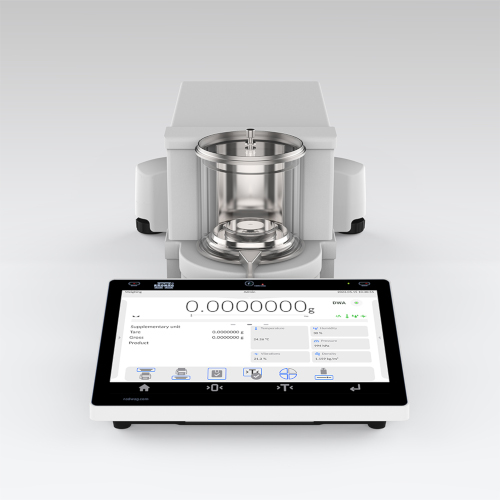
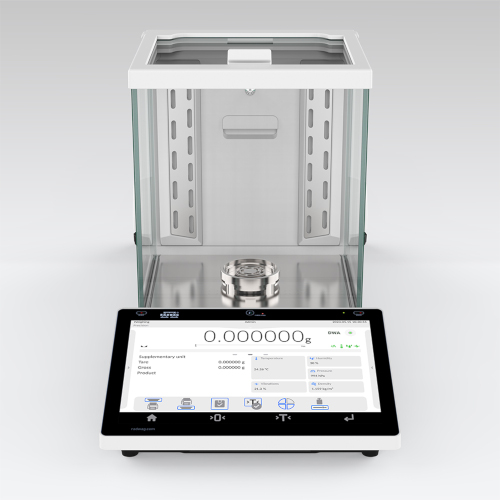
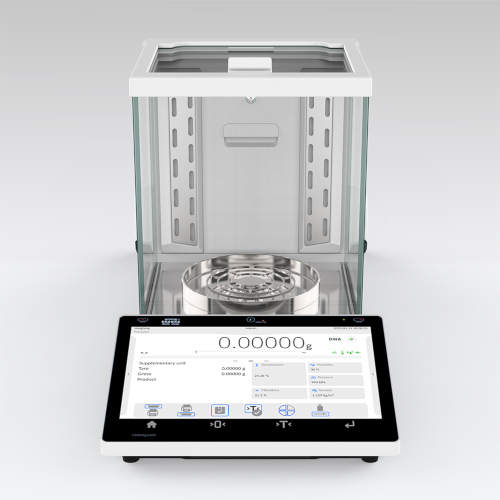
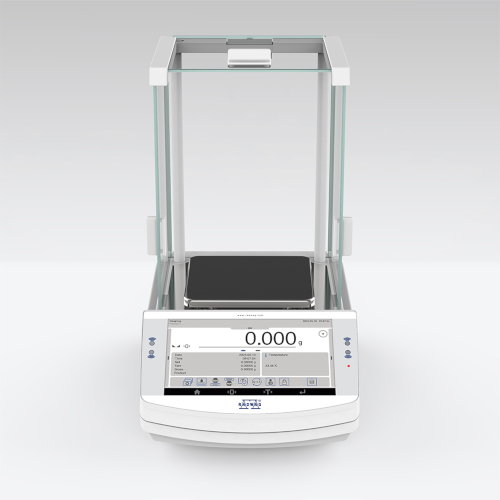
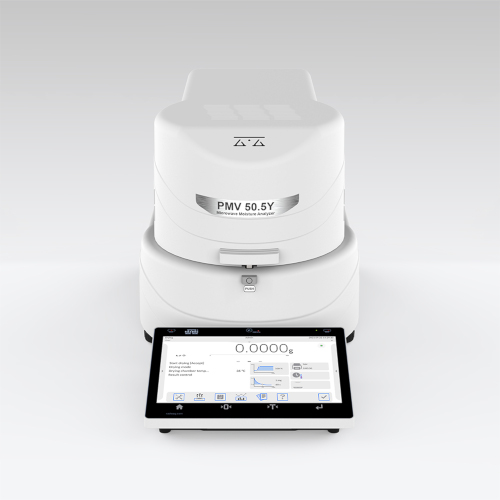










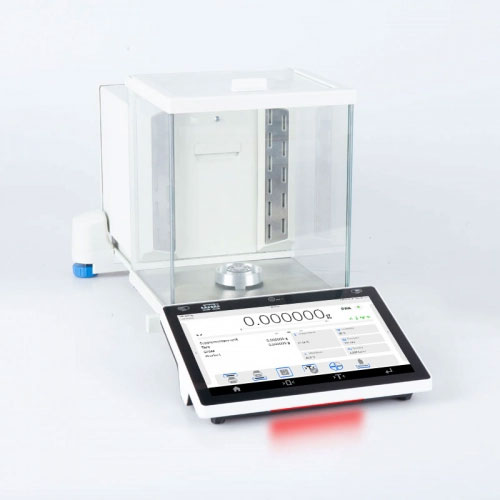
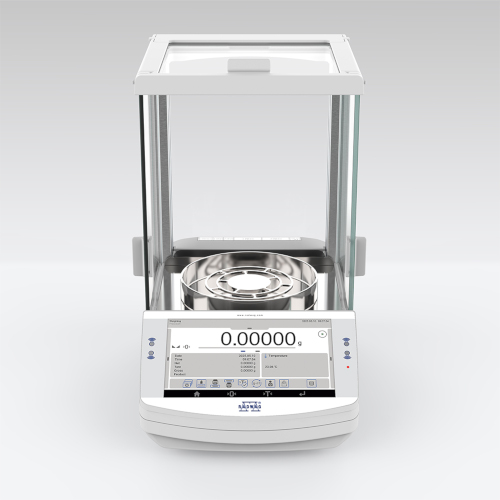 AS X7 Analytical Balances
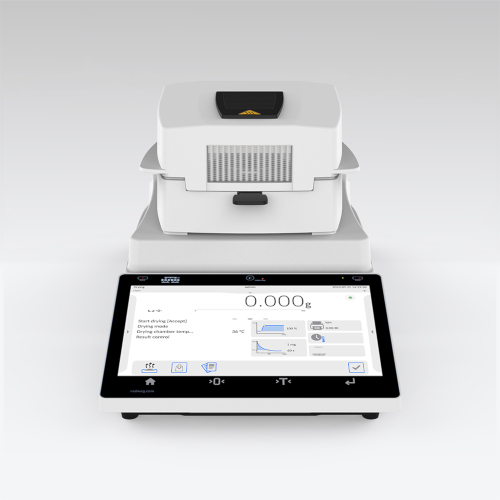 Moisture Analyzers
 PGC Scales
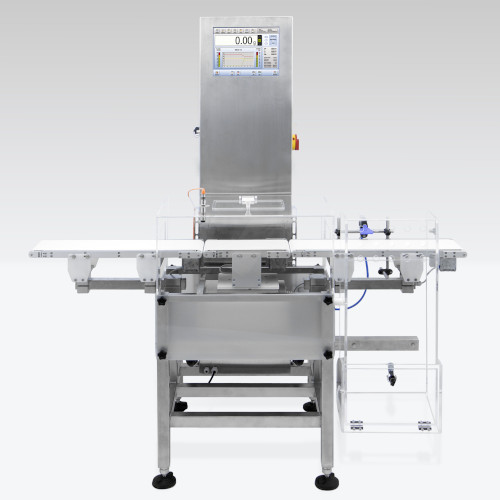
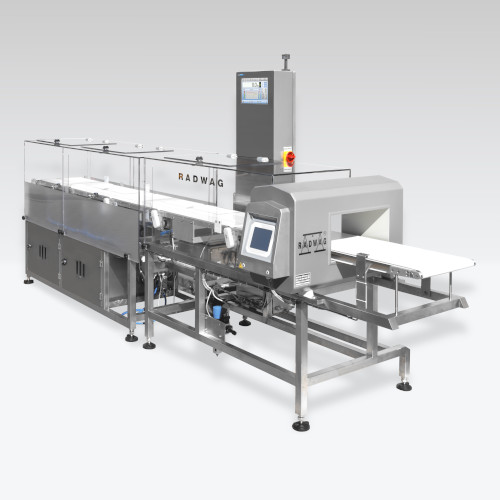
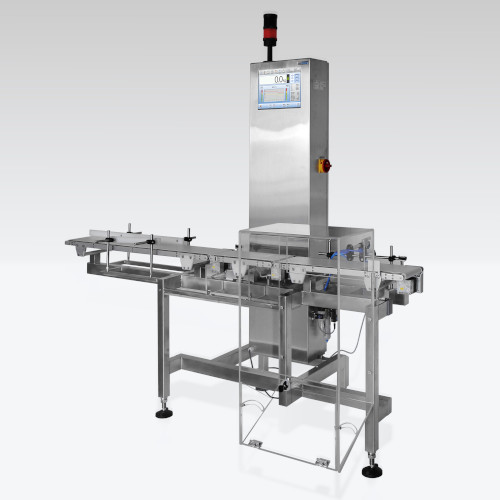
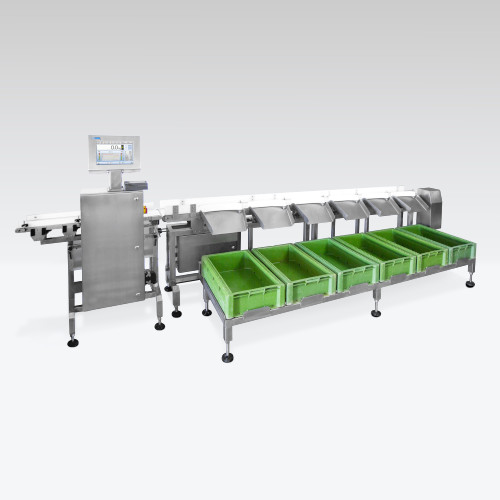
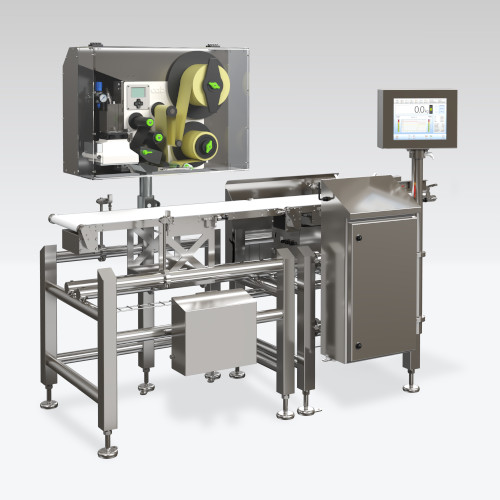
 Checkweighers
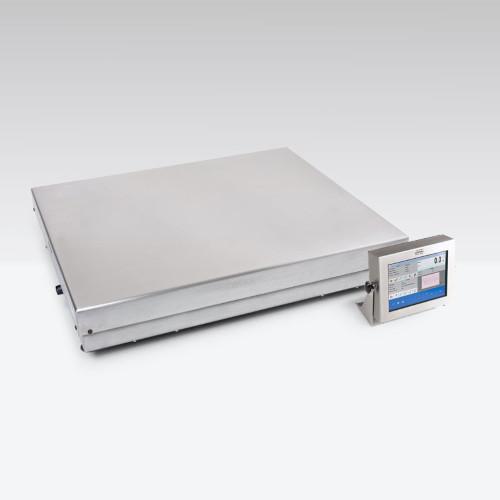 HRP High Resolution Scales
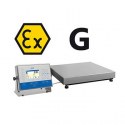 Hazardous Area Endangered with Gas Explosion
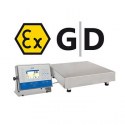 Hazardous Area Endangered with Gas and Dust Explosion
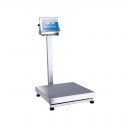 H315 H Waterproof Platform Scales




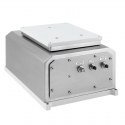
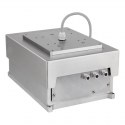
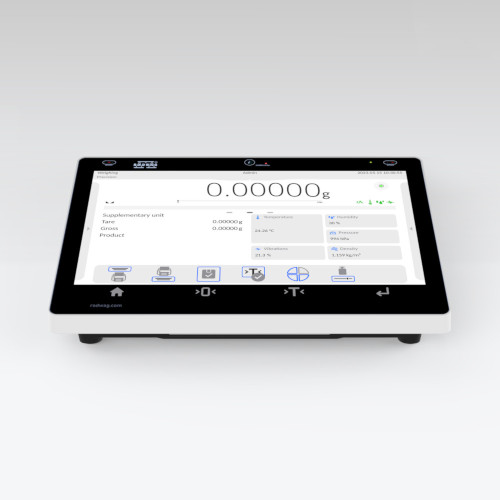 5Y Terminal
 PUE CY10 Weighing Terminal
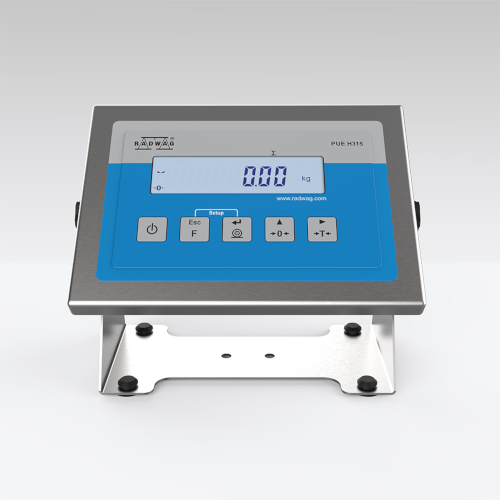 PUE H315 Weighing Terminal
 PUE C315 Weighing Terminal
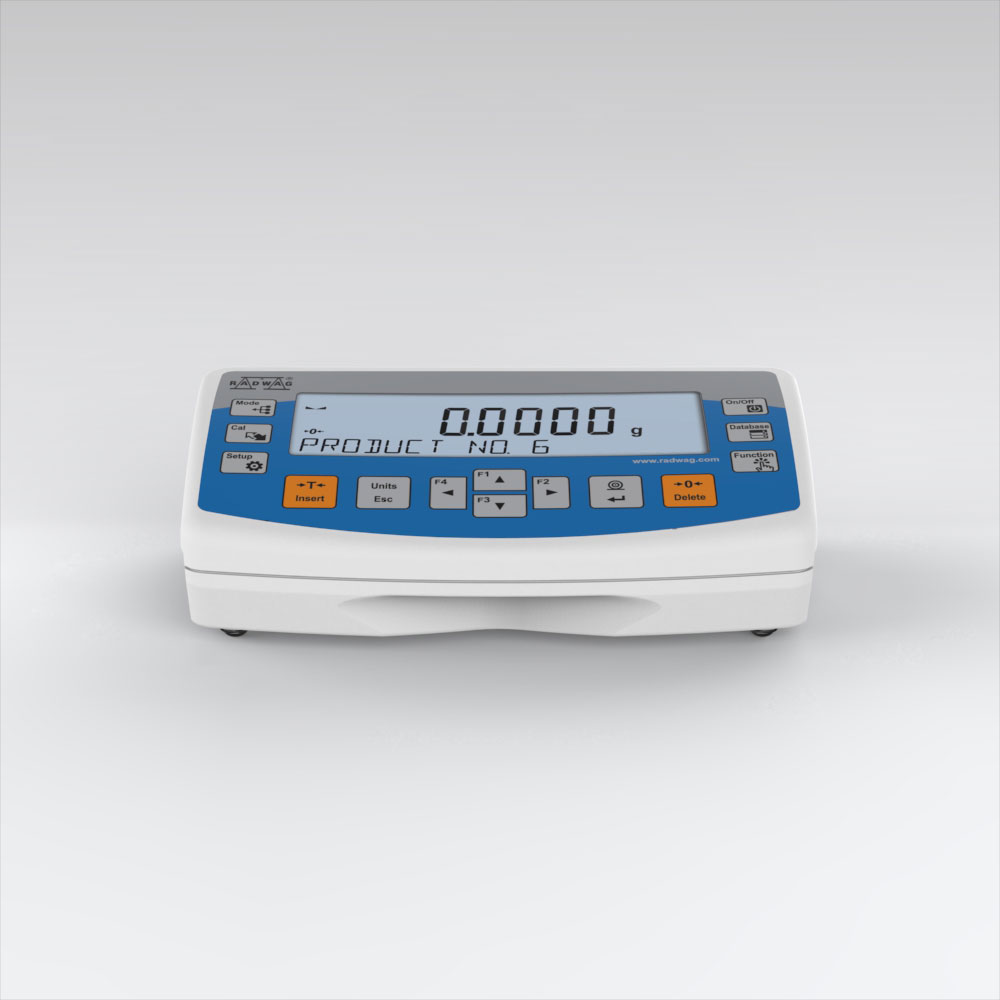 R Terminal (WDM-8)


















 Albanian
 Danish
 Nederlandse
 Estonian
 Finnish
 Hungarian
 Icelandic
 Kazakh
 Latvian
 Lithuanian
 Macedonian
 Norwegian
 Portuguese
 Romanian
 Russian
 Slovak
 Slovenian
 Swedish
 Ukrainian
 Serbian
 Montenegrin
 Português (Brasil)
 Deutsch
 Español
 Français
 Italiano
 Japanese (日本語)
 Polski
 Türkiye
 Česky
 中文


